
Patients do short hand exercises at home in front of a webcam. The care team sees how each one is changing between appointments, without new hardware.

We are developing FixedGap with the neurology team at Hospital General Universitario Gregorio Marañón, in Madrid.
Supported by







“Short arcade-style games in the browser, under five minutes, in front of a standard webcam.”
Nothing to install or wear. The patient opens a link, sits in front of the laptop and plays.
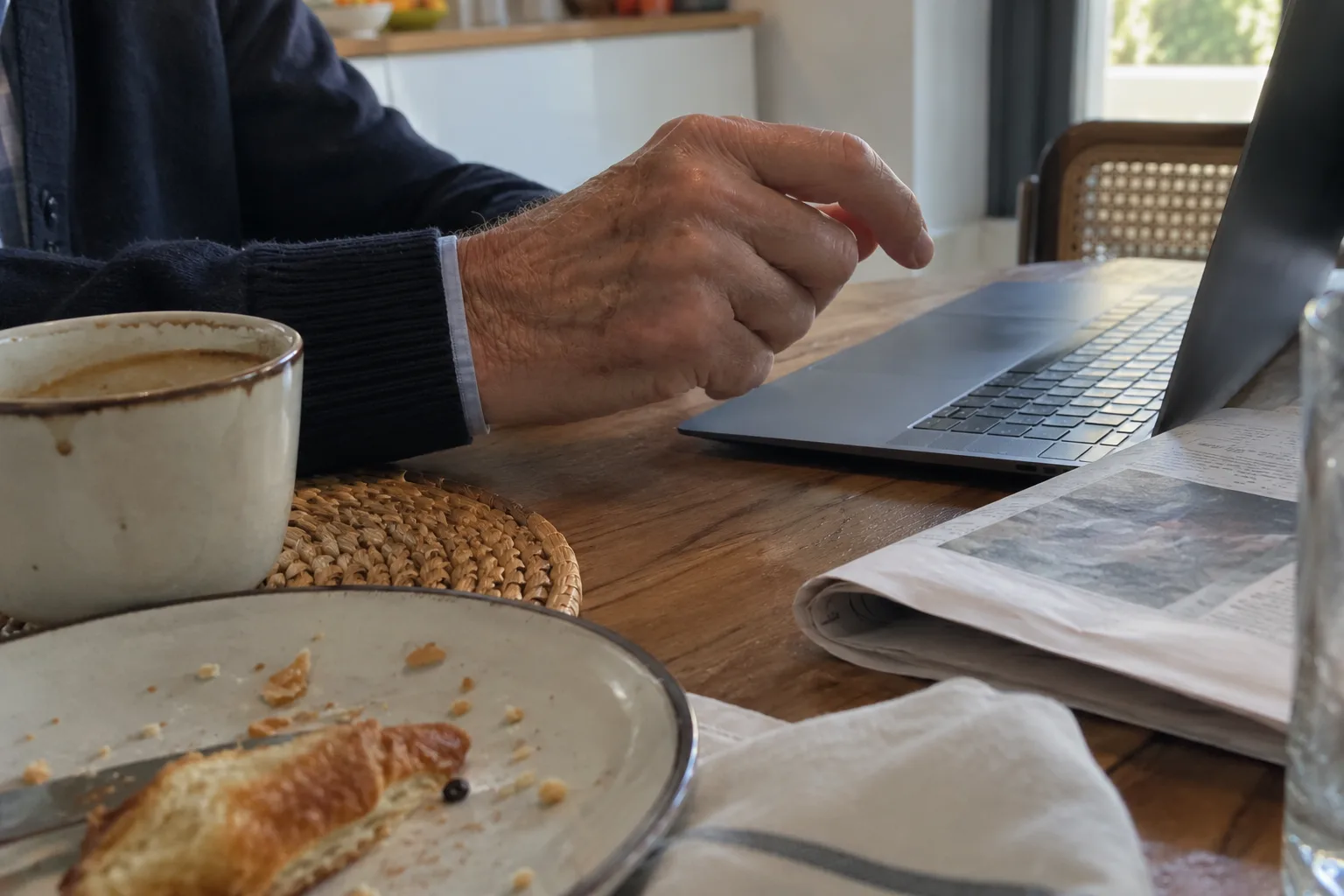
The patient, at the kitchen table

The gap
Recovery is measured in hospital. Then it goes home.
out of 90
After discharge, the next measurement is the follow-up visit, weeks later. Between visits, nobody knows whether the hand is improving.
With FixedGap, a short game at home becomes a measurement most days. Same movements, same metrics, in the clinician's dashboard.
Capture
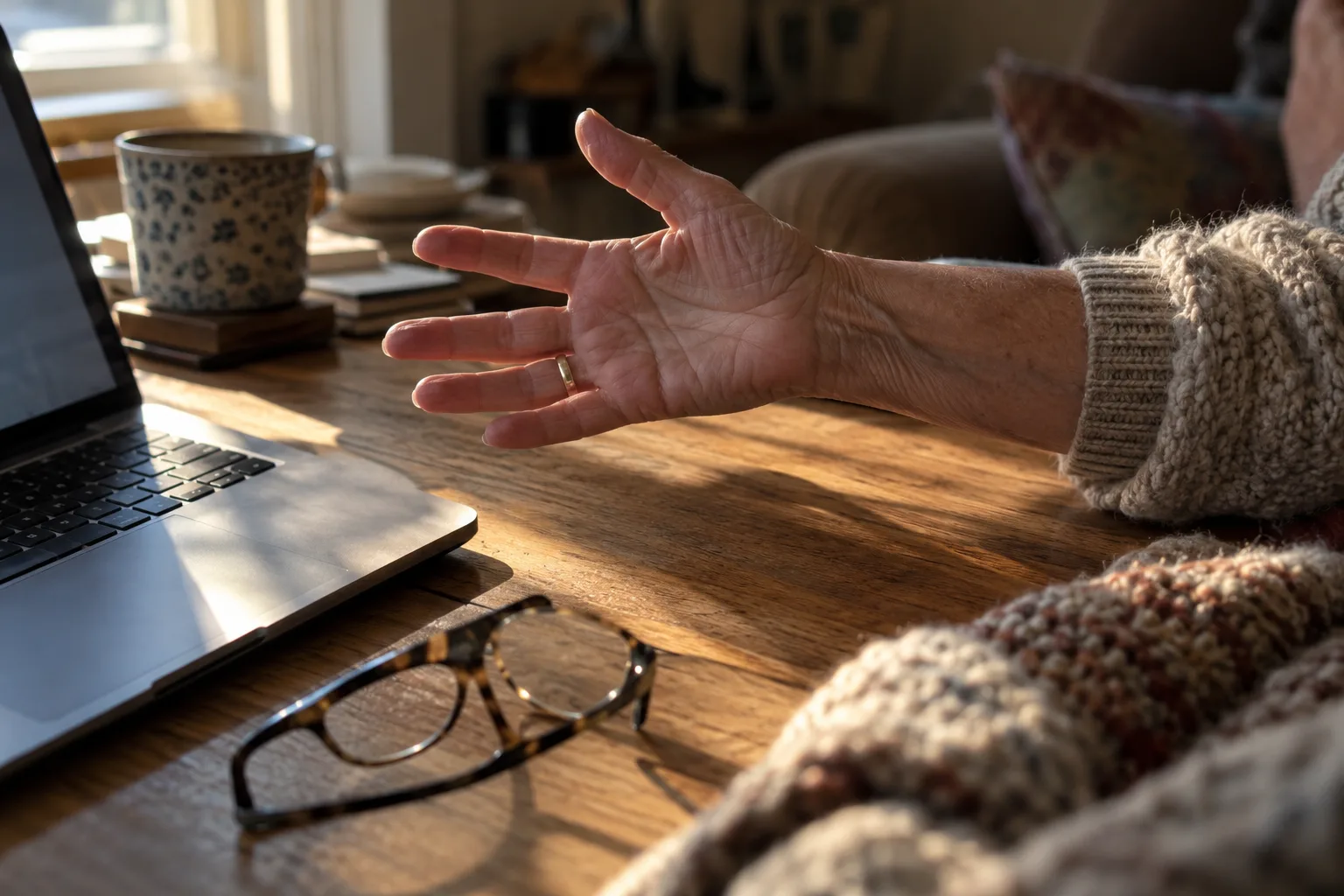
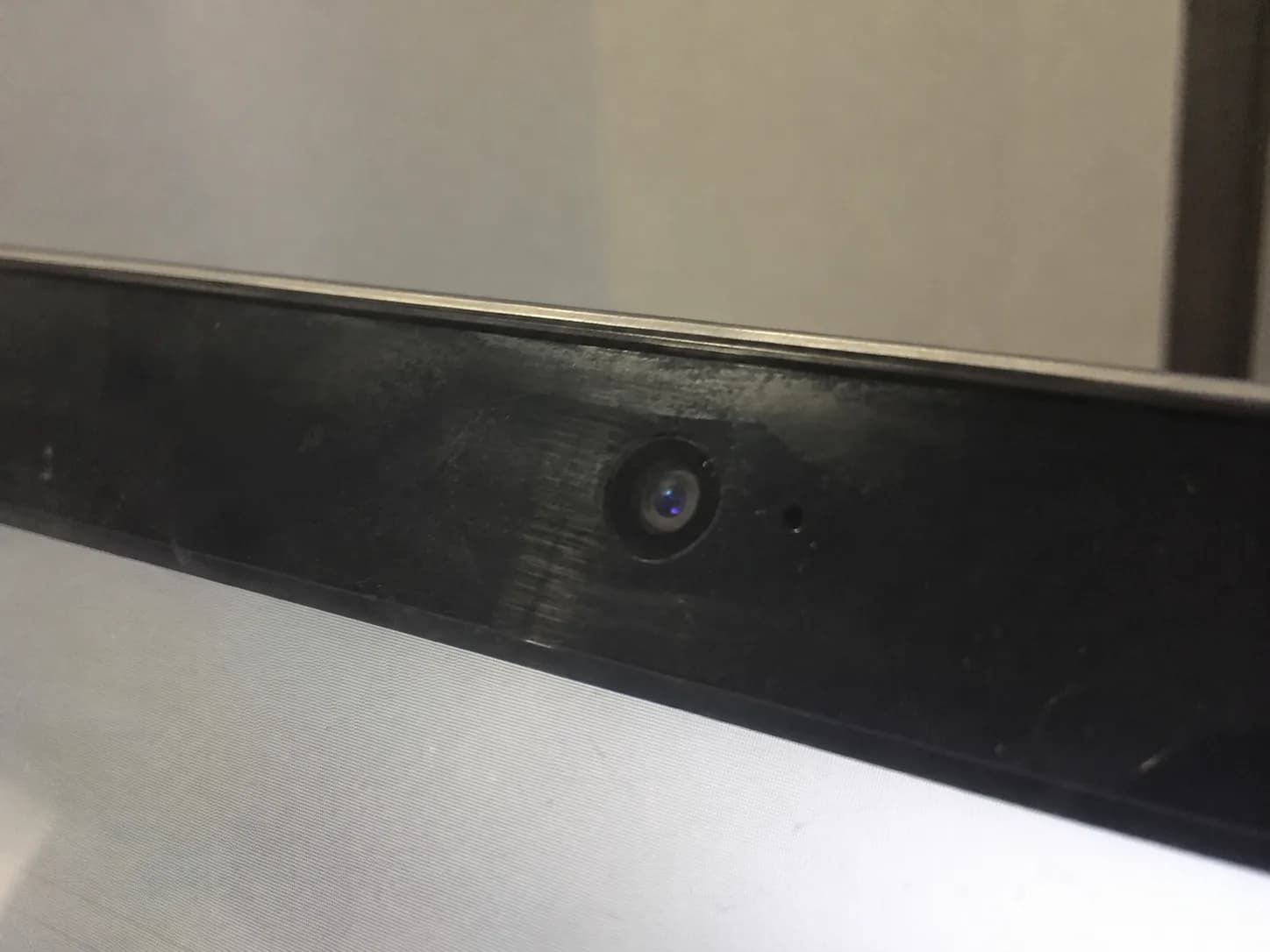
The patient does a short task. The webcam records it in the browser.
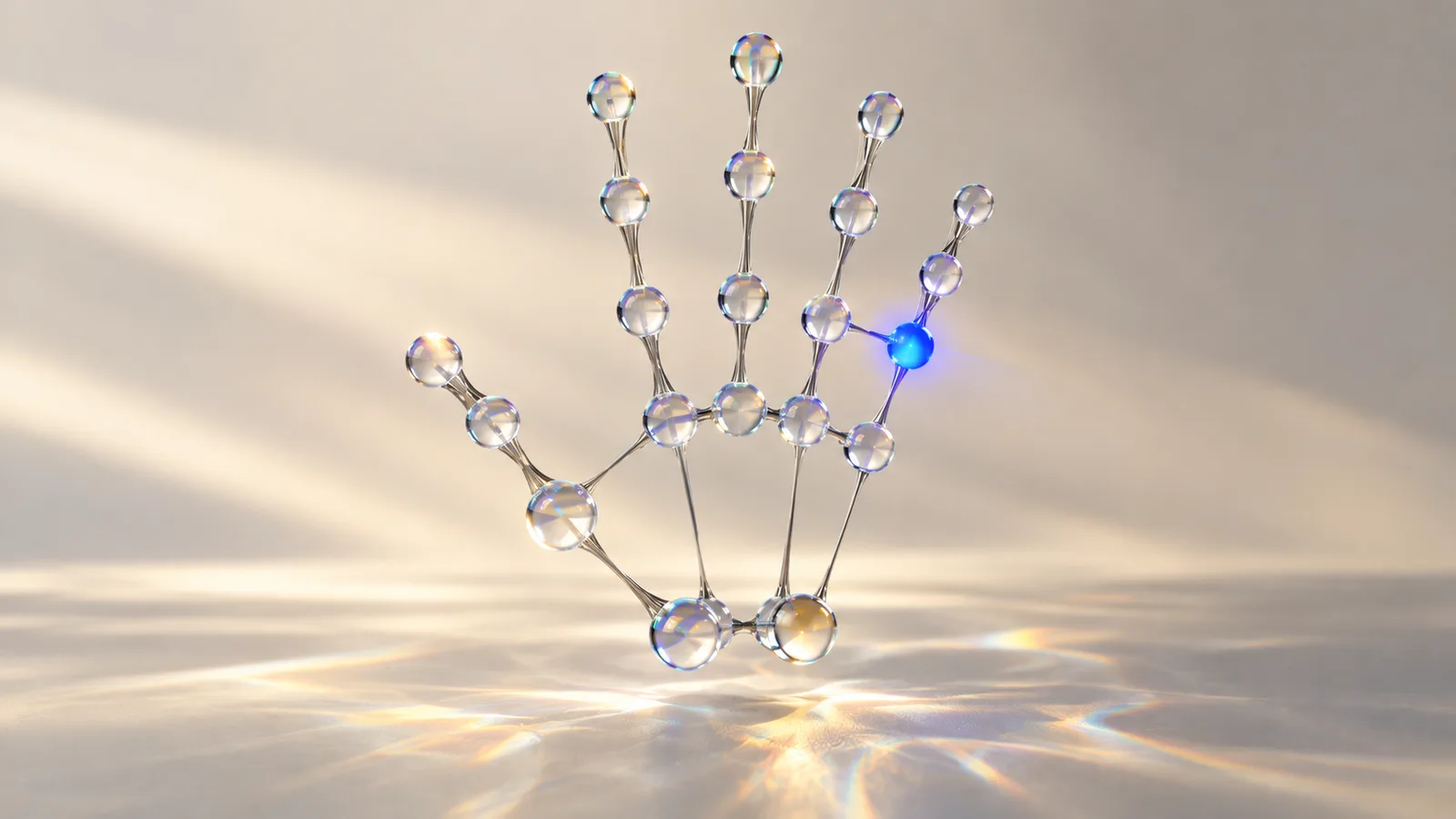
Track
Twenty-one hand landmarks are located on every frame.
Measure
Landmark trajectories become the same set of measurements, every session.
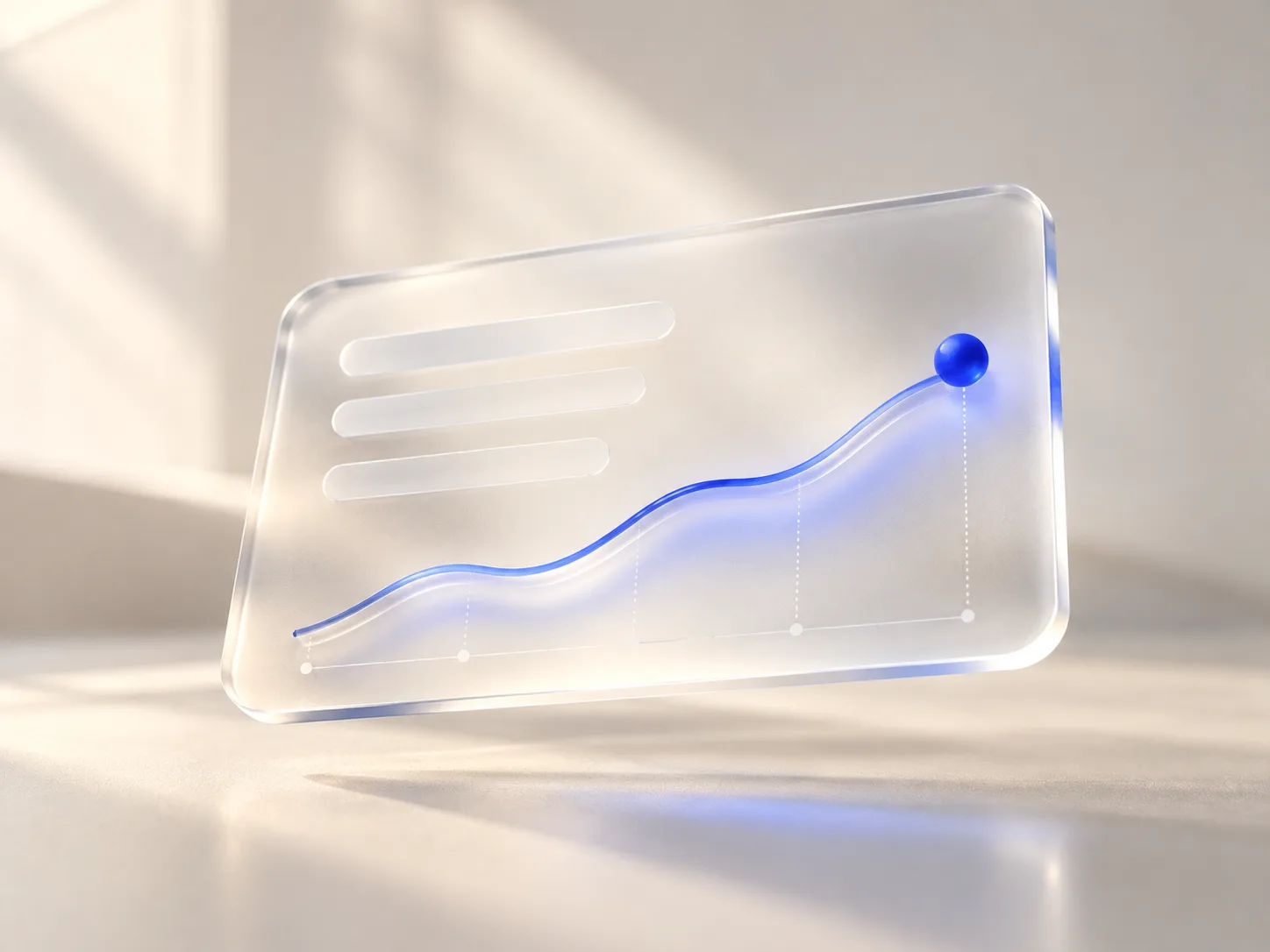
Review
Clinicians see trends, adherence and alerts for each patient.
Session results, adherence and alerts for every patient in one view, ordered by who needs attention first.
The clinical dashboard ›Each measurement plotted session after session.
Who played, when, and for how long.
Patients who drop or stop playing move to the top of the list.

A team from Madrid across engineering, business and medicine, with a physician advising on the clinical side. We met at a Harvard hackathon, came second worldwide at the final in Boston, and are now preparing the first clinical validation study.
We are looking for neurologists, rehabilitation clinics and hospitals interested in evaluating the product and taking part in clinical validation.