



FixedGap started in 2026 at the Madrid hub of the Harvard HSIL Hackathon, as a 36-hour experiment by six students. This is how a hardware prototype became software, and who is building it.

2026founded in Madrid
2ndworldwide, Harvard HSIL final
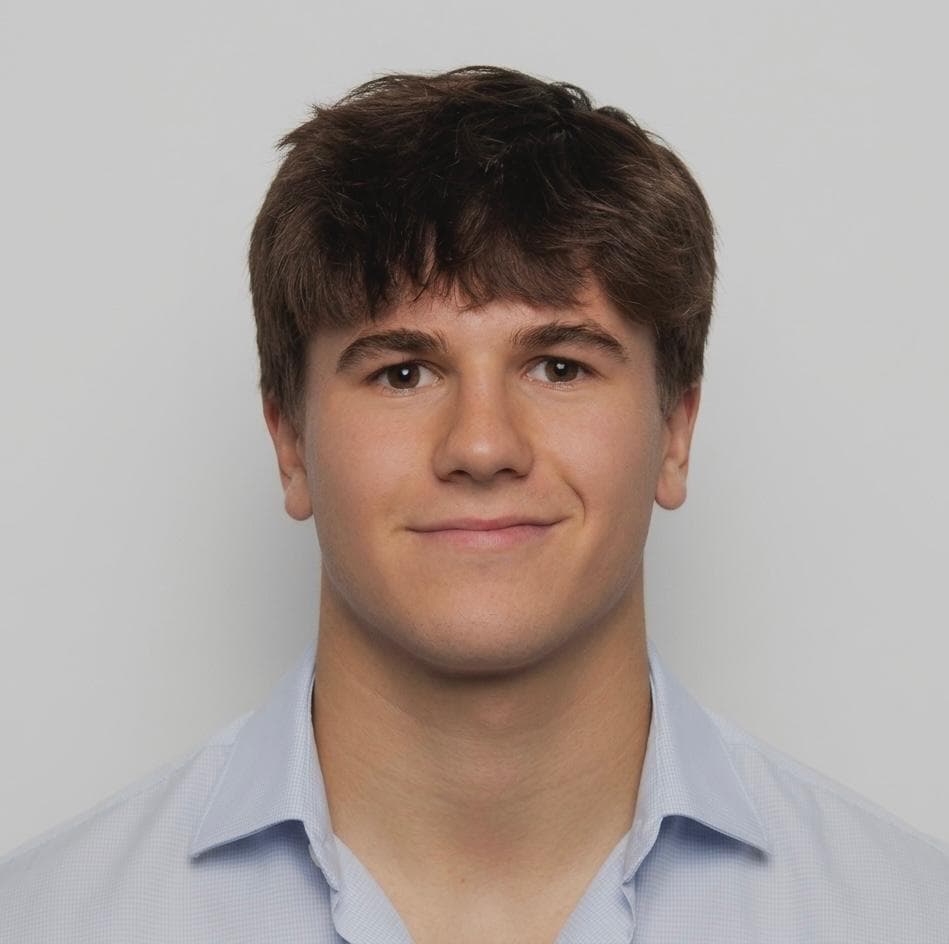
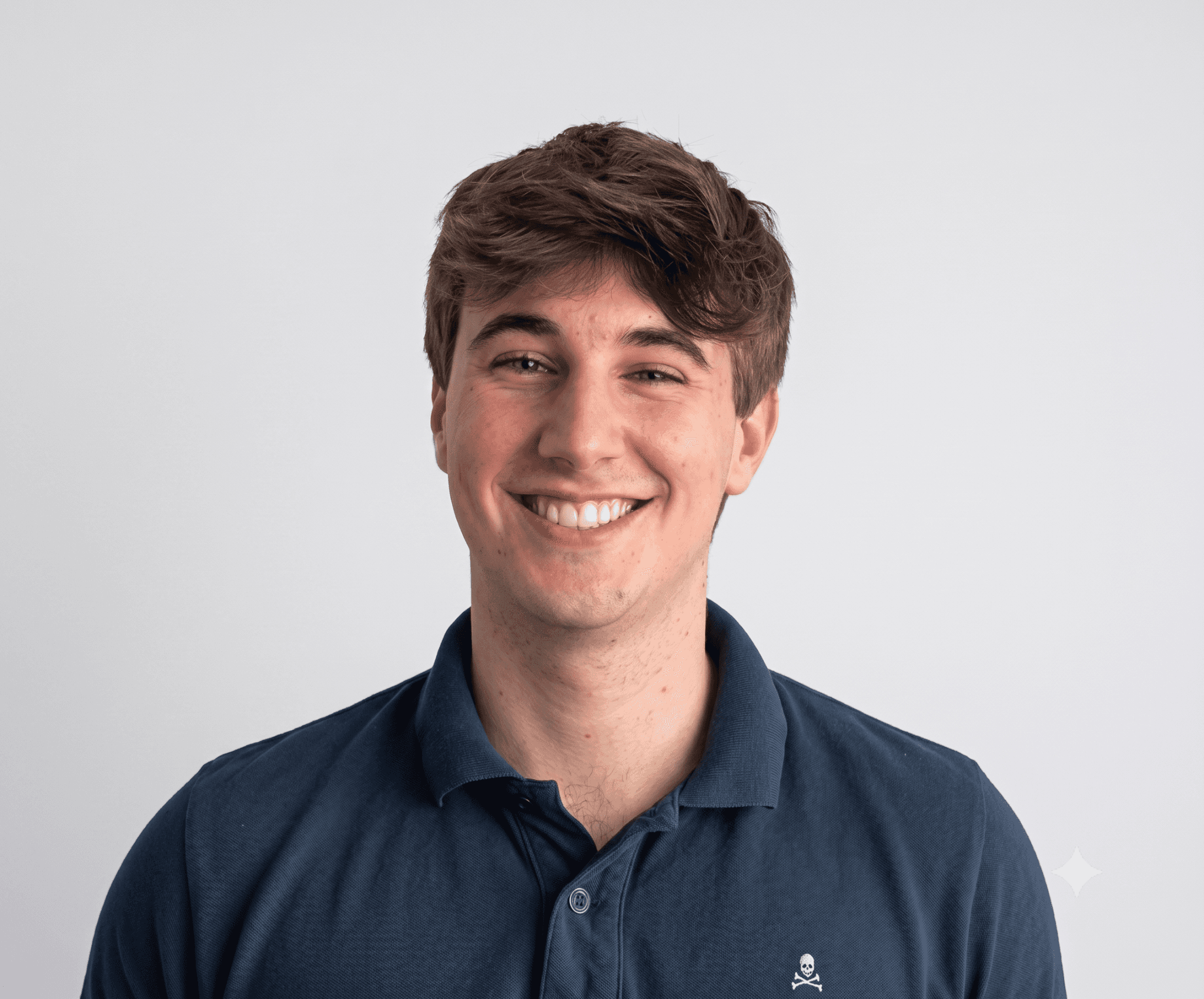
Luis Molina Salvador

Luis Molina Salvador

Co-founder & CEO

Leads the company: strategy, partnerships with hospitals, fundraising and the overall direction of the product and the team. Software engineer at Amazon, studying Computer Engineering and Business Administration at UCM. Previously AI developer at Grupo Oesía and equity analyst at Arcanix Fund.

Amazon
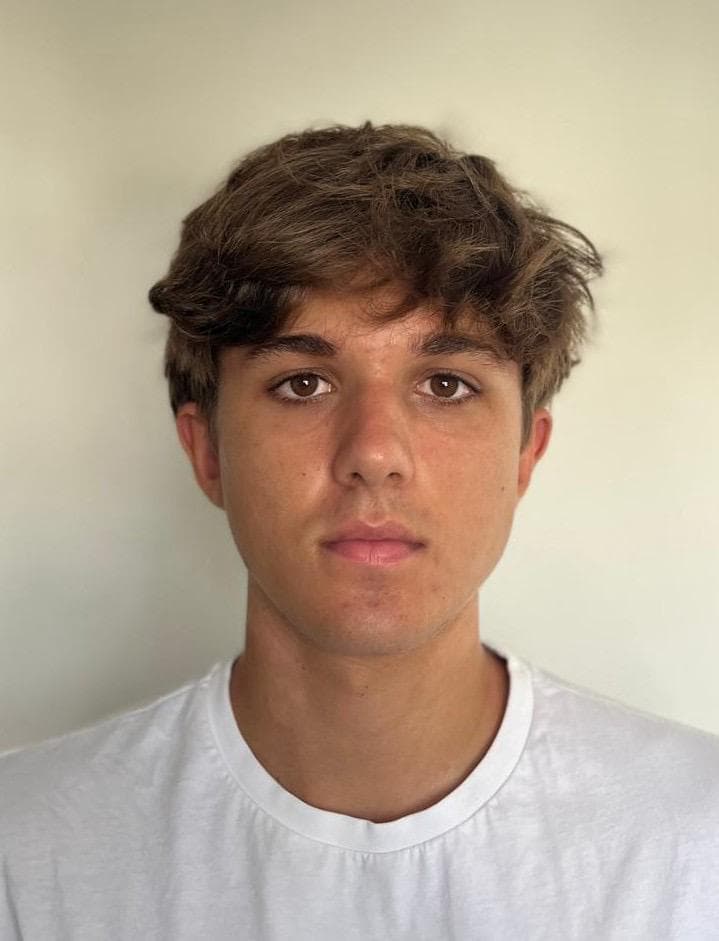
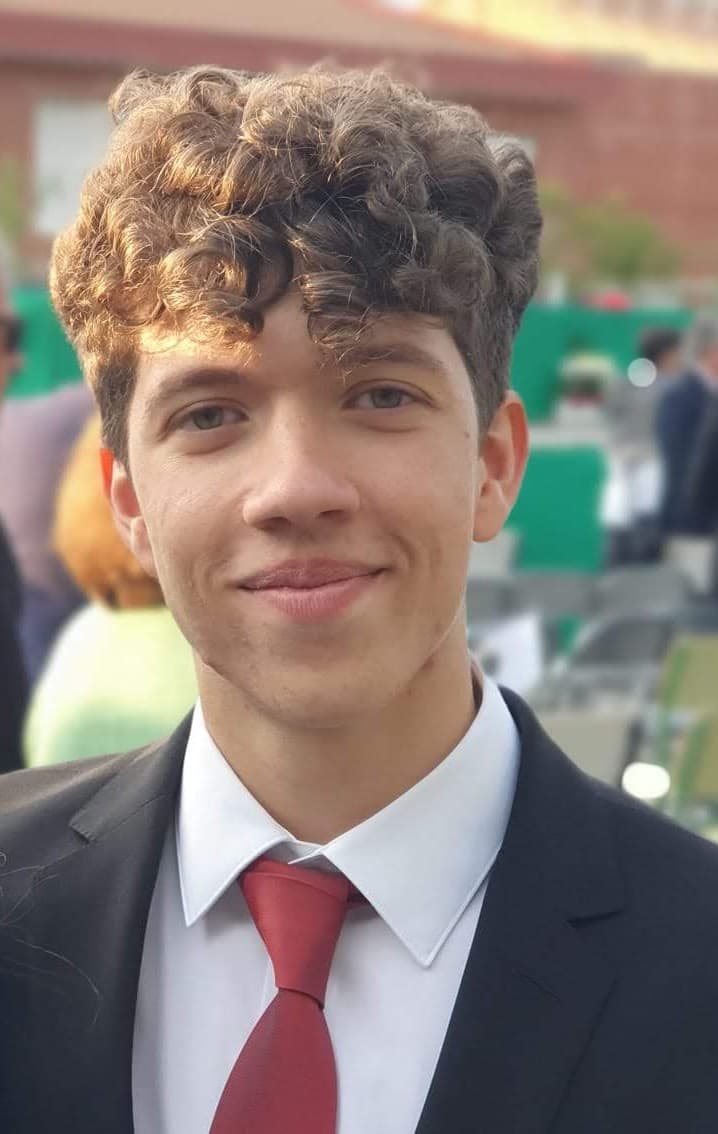
Mateo Pérez Guzmán

Mateo Pérez Guzmán

Co-founder & CTO

Leads engineering: the platform architecture, the movement tracking pipeline and the clinician dashboard. Software engineer building MITO AI, the AI filmmaking platform from Madrid and San Francisco that raised a $4.5M pre-seed led by Lightspeed, with Kibo, Kfund and Sequoia and a16z scouts. Studying Computer Science and Business Administration at UCM.

MITO AI
Helene Weinberg

Helene Weinberg

Co-founder & Chief Scientific Officer

Leads the scientific and clinical side: biomarker definitions, the validation study and the clinician-facing report. Cum Laude Biomedical Engineering graduate from Binghamton University, incoming Master in Management at IESE, Healthcare Management certificate from Cornell.

IESE Business School
Founding engineers
Álvaro Gil Arjona

Álvaro Gil Arjona

Founding Engineer, Product and Strategy

Leads product direction, user experience and positioning. Studies at Trinity College Dublin. Turns the clinical problem into something clinicians, mentors and investors can understand and use.

Trinity College Dublin
Marco García López

Marco García López

Founding Engineer, Computer Vision

Works on movement tracking and computer vision, building on earlier browser-based neuromotor tracking prototypes. Studies Computer Science and Business Administration at UCM.

Clinical advisor
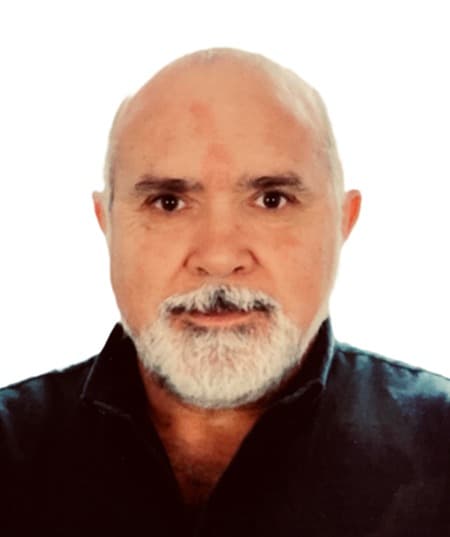
José Antonio López-Martín

José Antonio López-Martín, physician and PhD in Medicine, advises the team on clinical validation and medical research.

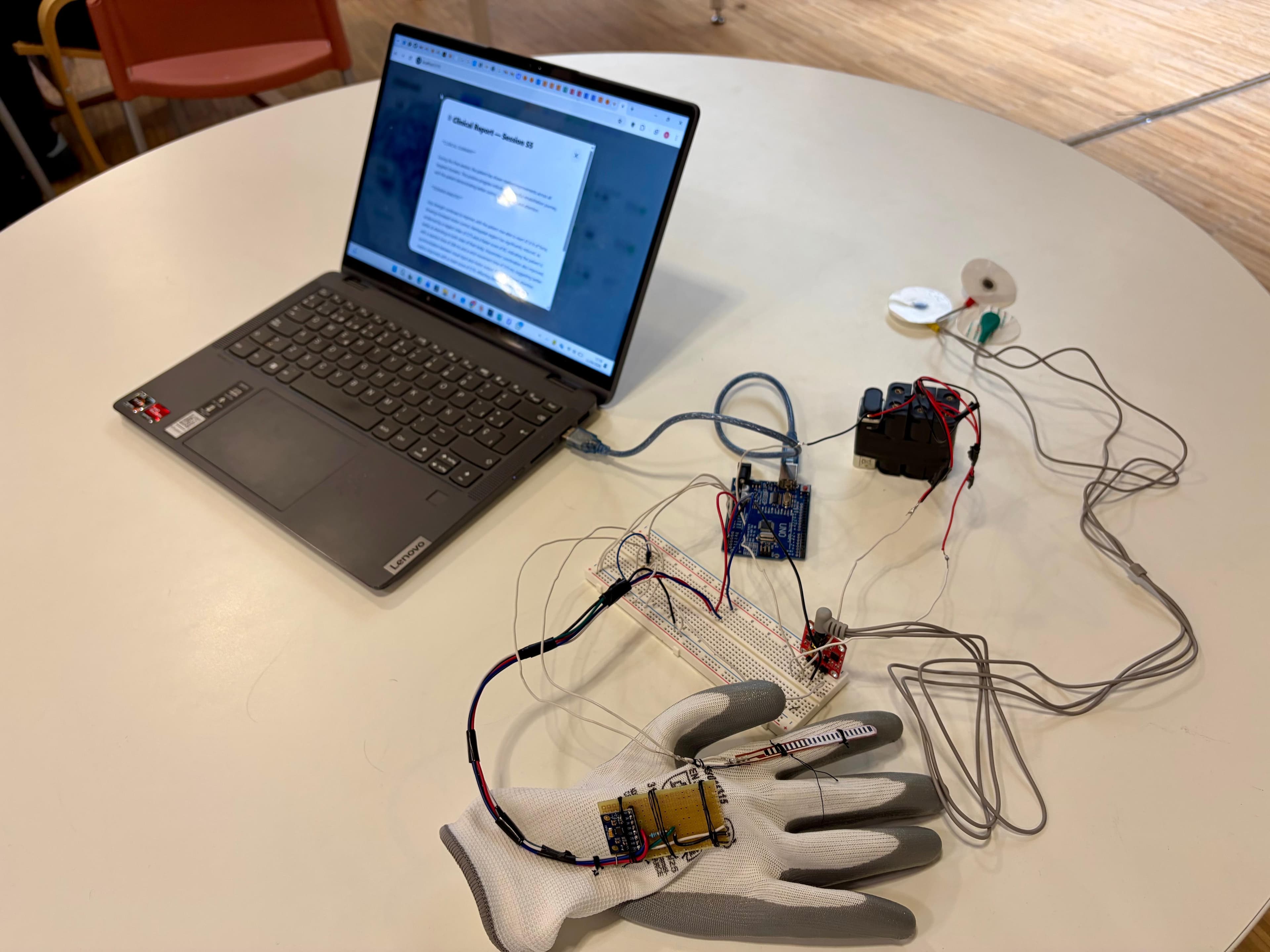
The first prototype: the glove, the board and the wiring
Phase 01

The glove

The first version of FixedGap was built during a 36-hour hackathon with one goal: capture clinical-grade neurological data from home. It was a rehabilitation glove combining several sensor systems.

  • IMU sensors for 3D hand orientation and movement
  • Flex sensors for finger joint angles in real time
  • EMG signals for muscle activation patterns
  • Eye tracking for gaze direction and coordination

It worked. We captured tremor, range of motion, muscle compensation and gaze-hand coordination, all metrics used in clinical stroke assessment. And as we refined it, one thing became clear: the hardware was the bottleneck.
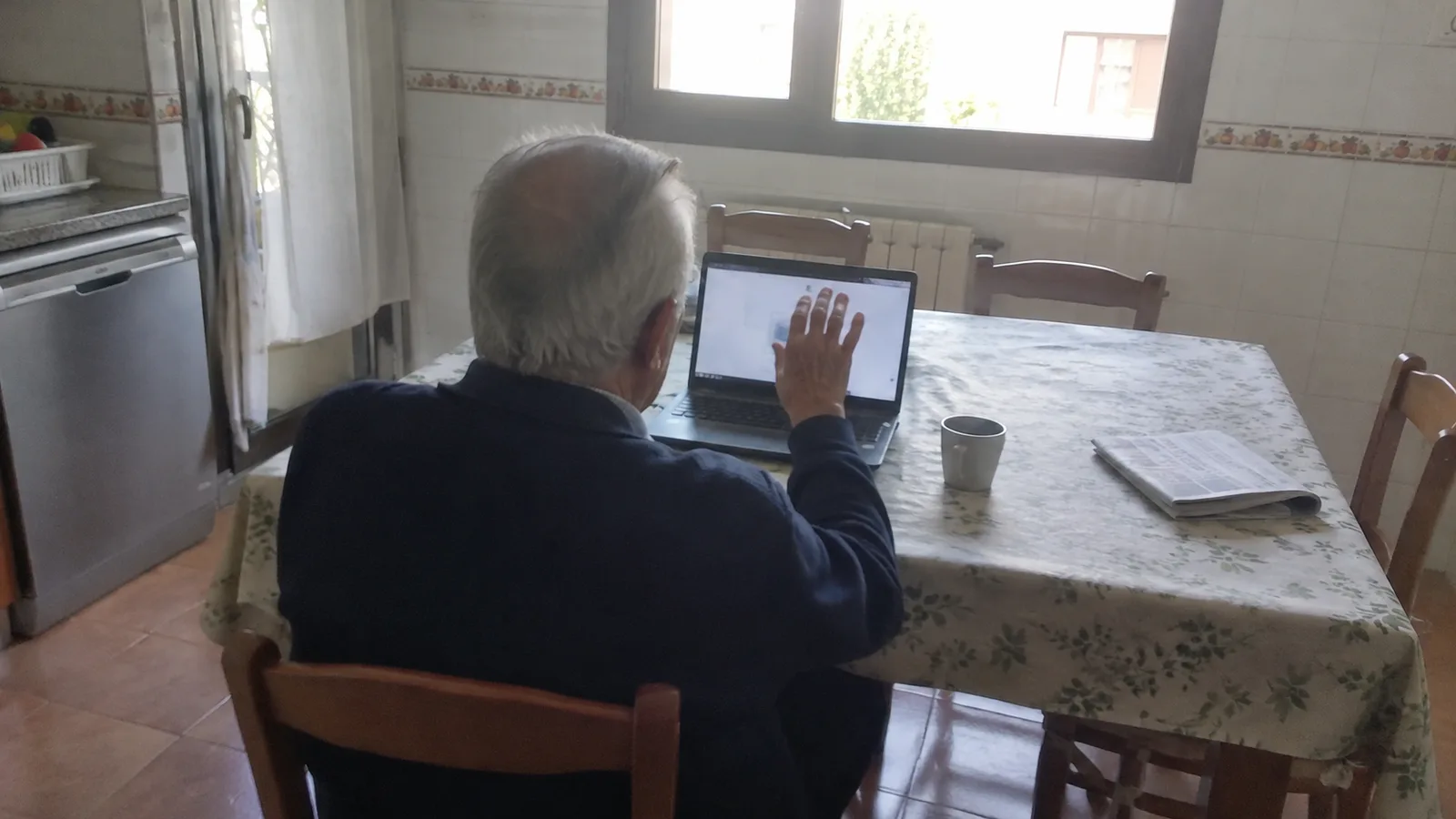
The camera version: nothing on the hand, just a laptop on the kitchen table
Phase 02

Computer vision

We rebuilt FixedGap around software-only monitoring. Instead of sensors, computer vision and motion analysis extract the clinical metrics directly from video. A standard webcam becomes the sensor.

  • Hand landmark tracking for tremor and range of motion
  • Gaze tracking for coordination and attention
  • Facial symmetry scoring for motor control
  • Movement smoothness and compensation detection

Patients play a short game. The models analyse every frame. Clinicians receive a report with validated metrics. No hardware, no setup.

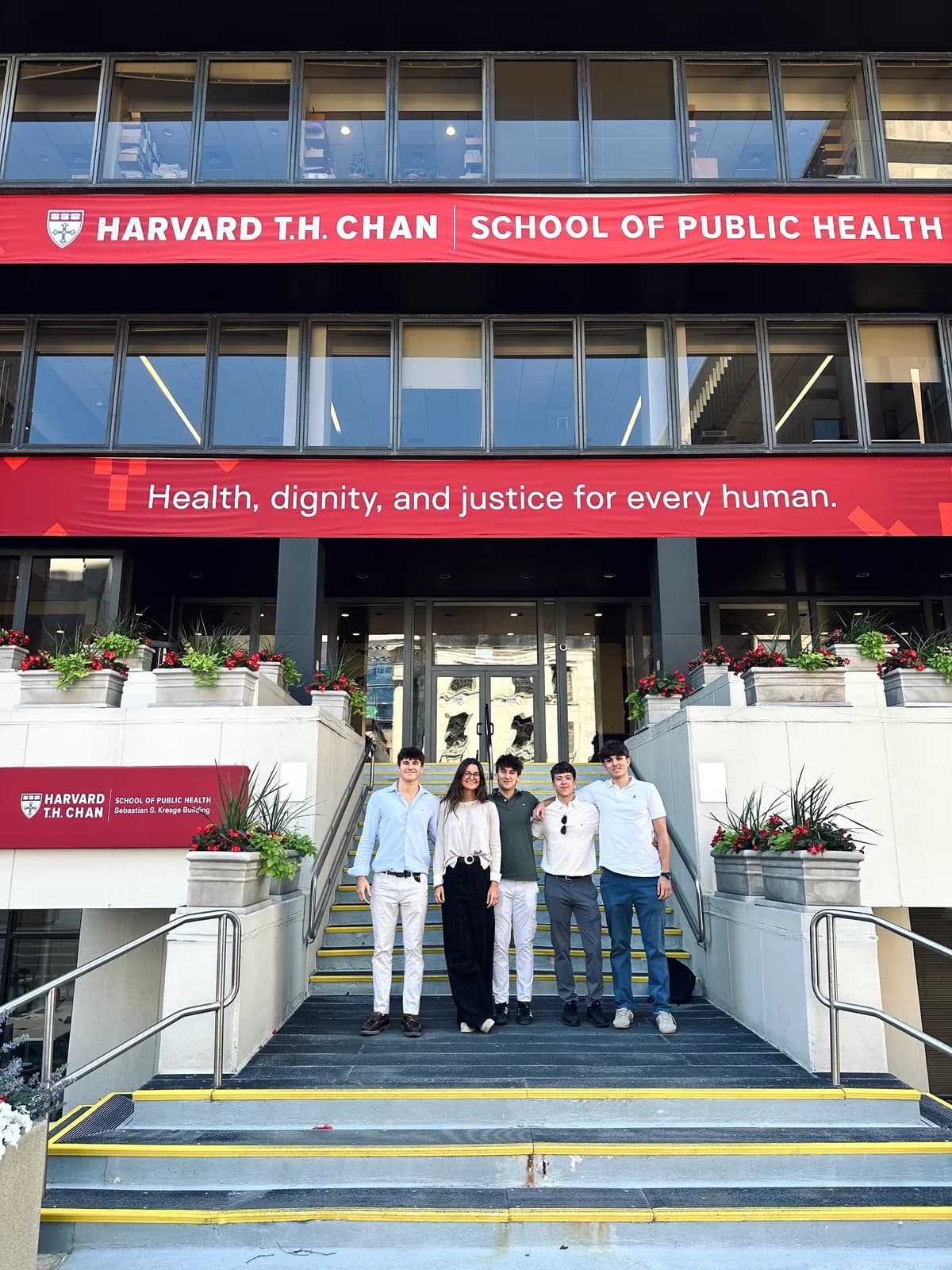
In June 2026 FixedGap reached the global final of the Harvard Health Systems Innovation Lab Hackathon at Pillar VC in Boston. Against teams from 50 hubs, the team took second place worldwide, judged by Boston investors and faculty from the Harvard T.H. Chan School of Public Health.

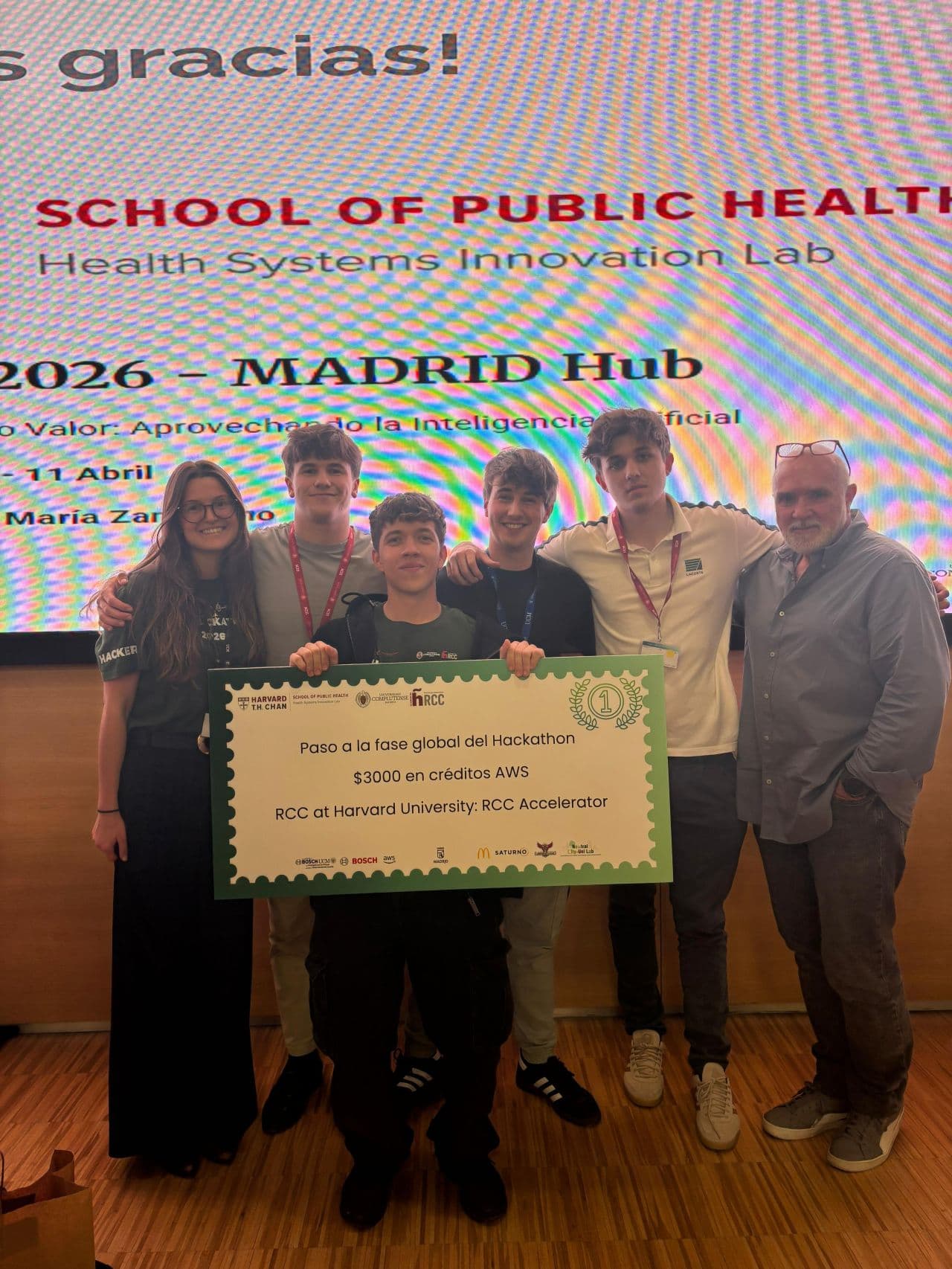
Winning the Madrid hub, April 2026
Second place at the global final, Pillar VC, Boston, June 2026

Five days in Boston, supported by the Real Colegio Complutense at Harvard, included visits to Harvard, MIT and Massachusetts General Hospital. They shaped the next chapter: clinical validation, and eventually conditions beyond stroke.

Today FixedGap is being tested with neurologists and rehabilitation clinics, with the first structured validation study as the immediate goal. Awards and press ›

On the steps of the Harvard T.H. Chan School of Public Health
Harvard Business School, during the week in Boston
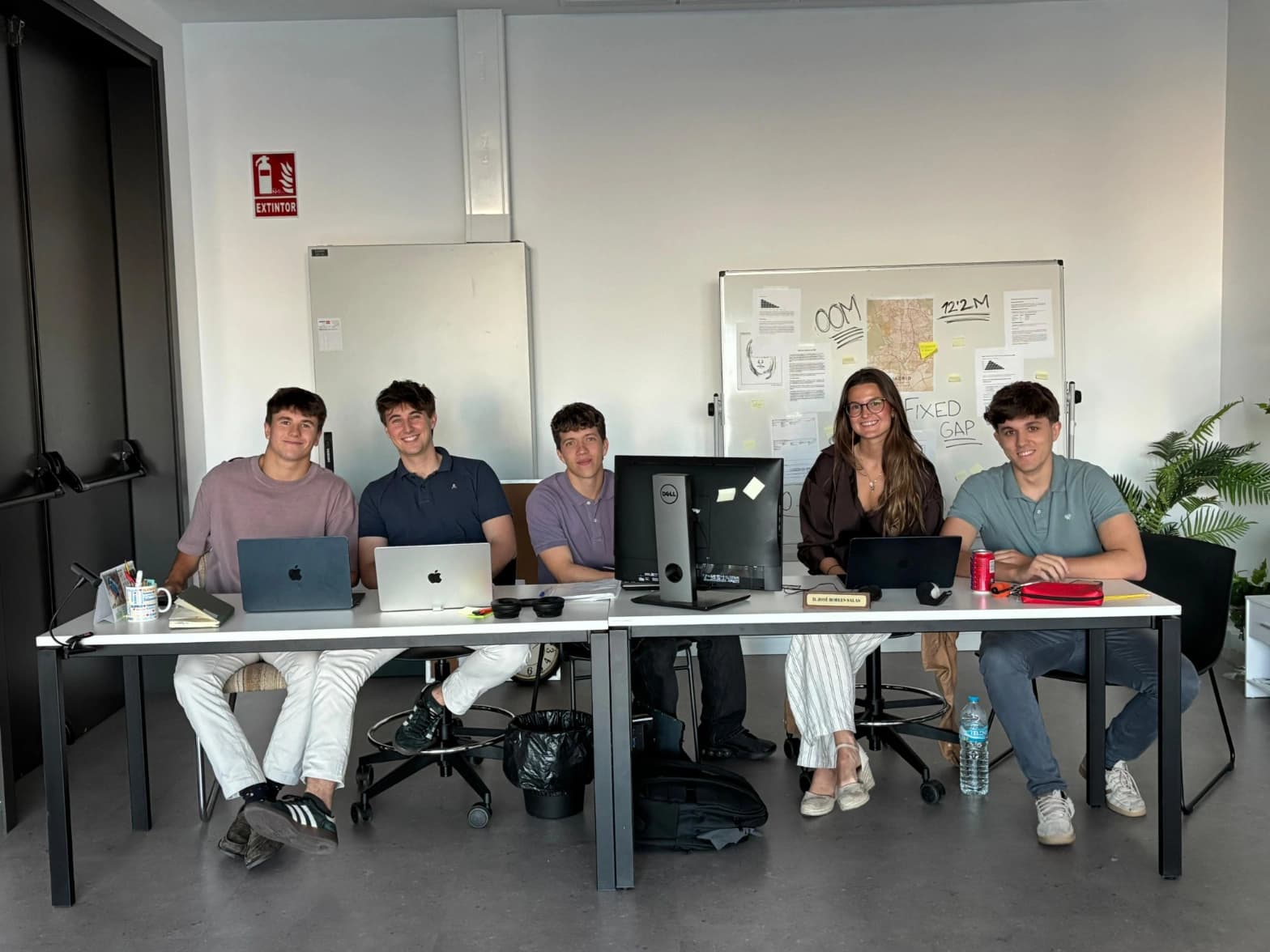
Back in Madrid: the team at the FixedGap office

The long version: why recovery should be measured continuously, and what a camera changes. Read the manifesto ›

We are looking for neurologists, rehabilitation clinics and hospitals interested in evaluating the product and taking part in clinical validation.